
You’ve got an idea. Maybe it came to you in the shower, or at 2 AM, or while you were frustrated with a product that didn’t work the way it should. Whatever the origin, you’re sitting on something you believe in. But here’s the thing nobody tells you: having a great idea and actually bringing that idea to life are two completely different challenges. That’s where product design and development services come in, and honestly, they can be the difference between a product that gathers dust in a drawer and one that solves real problems for real people.
The Gap Between Idea and Reality
Let’s be real for a second. You probably have a mental image of your product. You can see how it works. You know how someone would hold it, what it would do, maybe even how it would look on a shelf. But mental images don’t get you to manufacturing. They don’t help you understand whether your design can actually be built without falling apart. They definitely don’t help you figure out what would happen if you dropped it, or if it got hot, or if someone used it in a way you didn’t expect.
This is where product design services become invaluable. Professional product design and development services take your idea and ask all the hard questions first, before money gets spent on tooling or manufacturing. They help you test your assumptions, refine your concept, and build something that doesn’t just look good on paper but actually works in the real world.
The Full Journey: What Real Product Design Services Cover
When you partner with product design services, you’re not just getting someone to sketch your idea in CAD. You’re getting a team that walks through the entire development process with you.
First comes concept development. Your team sits down with engineers who actually understand manufacturing, materials, and user needs. They ask questions like: Is this even possible to make? What would it cost? How would someone actually use this? These conversations shape your product before any detailed engineering work starts. This alone saves you from going down dead ends and wasting months on impractical designs.
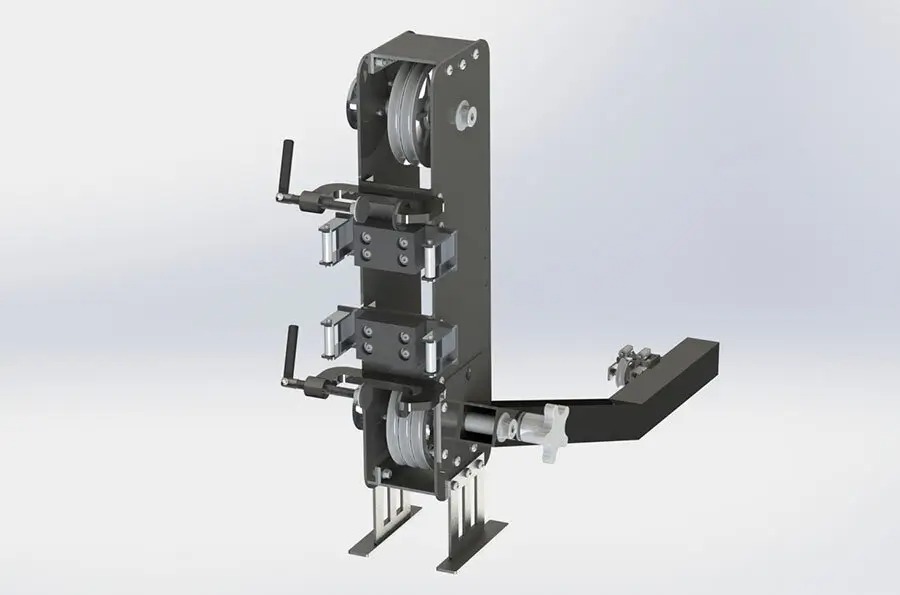
Then you move into the real engineering. CAD modeling, mechanical design, industrial design, all the stuff that turns your concept into actual specifications. Good product design and development services use industry-standard tools to create detailed models that factories can actually work from. Everything gets thought through: how parts fit together, how they’re manufactured, how the finished product feels in someone’s hands.
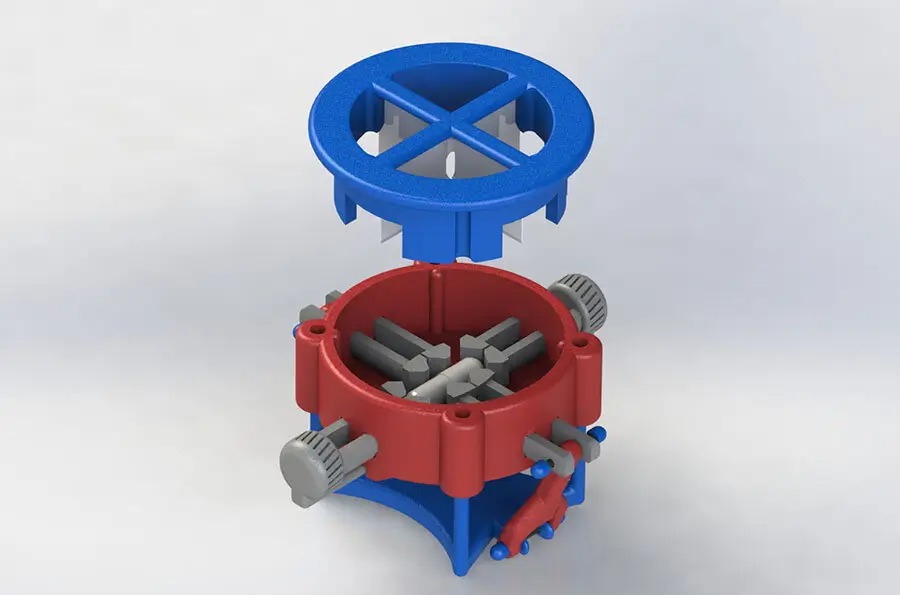
But here’s where it gets important. Before you spend money on expensive tooling, prototyping happens. Functional prototypes get built using 3D printing or CNC machining. You get to hold your product. You test it. You find out what works and what doesn’t. Then you iterate. Most people don’t realize this phase is where real problems get caught and fixed. It’s way cheaper to redesign something at the prototype stage than to discover an issue after you’ve committed to manufacturing.
Why You Can’t Just Wing It
I get it. The appeal of trying to do this yourself is real. You think, ‘Why pay for product design services when I can just learn CAD and figure it out?’ And sure, technically, you could. But you’d probably spend months learning tools, making mistakes, and hitting walls that professional engineers see coming from a mile away.
Professional product design services bring experience. They’ve made the mistakes already so you don’t have to. They know which materials work best for different applications. They understand manufacturing tolerances, cost optimization, and design for manufacturability. They know what factories actually need to quote your product accurately. If you miss any of this, your manufacturing quote comes back way higher than expected, or worse, they tell you your design can’t be made economically.
The Real Cost of Getting It Wrong
Here’s something to think about: what’s the cost of launching a product that doesn’t work the way you intended? What’s the cost of tooling that was designed around flawed specifications? What’s the cost of a recall after your product hits the market? These costs are staggering compared to investing in proper product design and development services upfront.
The right product design services actually save money in the long run. They catch design flaws before manufacturing starts. They optimize your design to reduce material costs and production waste. They make sure your product is buildable at scale, which is totally different from building one prototype in a garage.
What You Should Look For
Not all product design services are created equal. When you’re evaluating options, look for a team that handles everything in-house. You want concept development, CAD modeling, simulation, prototyping, and production documentation all under one roof. Why? Because when multiple vendors are involved, things fall through the cracks. Communication gets messy. Responsibility gets unclear. You want one team accountable for the entire process.
Also look for engineers who actually talk to you. Not just project managers handing off updates, but the actual engineers working on your project. When you have direct access to the people designing your product, you get better collaboration, faster iteration, and smarter decisions.
Experience matters too. A team that’s worked across different industries and product types brings perspective. They’ve designed consumer products, industrial equipment, medical devices. They understand regulatory requirements, safety standards, and market expectations. That experience becomes part of your project.
The Bottom Line
Your idea deserves more than guesswork. It deserves product design and development services that take it seriously. It deserves engineers who ask hard questions, who validate assumptions with simulation and prototyping, who think about manufacturing from day one, and who treat your product like it’s their own.
Whether you’re a first-time inventor with a napkin sketch or an established company launching a new product line, investing in professional product design services is one of the smartest decisions you can make. It increases your chances of success. It reduces your risk. It gets your product to market faster and stronger. And honestly, it makes the whole journey way less stressful because you’re not trying to figure everything out alone.