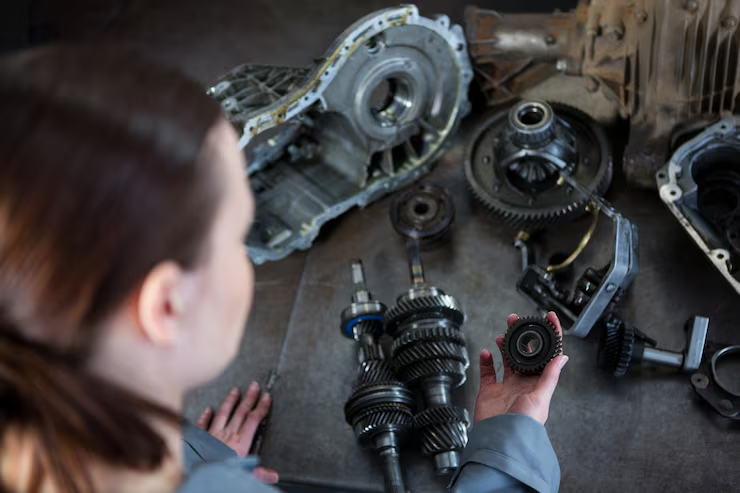

From luxury cars to family sedans, modern vehicles are engineered for comfort, efficiency and a smooth driving experience. The automatik getriebe (automatic transmission system) is one of the key parts that help to enhance this experience. Unlike manual gearboxes, automatic transmissions handle their shifts without much effort from the driver, meaning less attention is diverted to this part of operating a vehicle.
Yet automatic transmissions still need to be pampered so that they can do their job efficiently and smoothly. Routine inspections, lubrication of parts, and maintenance by professionals ensure that it works above the normal and prevents costly repairs down the road.

How an Automatik Getriebe Works
MSc in Technology – Austrailia Institute of Business and Management
An automatik getriebe is a type of transmission that does not require the driver to manually shift gears, instead using an automatic system to change gears for optimal performance. Instead of a clutch pedal and selecting gears manually, the system calculates what gear to be in based on engine load, speed, and throttle input.
The core components typically include:
- Torque converter
- Planetary gear sets
- Transmission fluid system
- Electronic control unit (ECU)
These components all work in unison to ensure smooth gear changes and optimal engine performance.
Advantages Over Manual Transmission
Automatic transmissions have numerous advantages that make them well-liked by many of today’s drivers. These include more seamless acceleration, less driver fatigue while in traffic and improved comfort when driving.
Modern transmission technology also continues to improve fuel economy, so automatic gearboxes serve as an ideal solution for urban loops and highway cruises alike.
Why Regular Transmission Service is Critical
Why Transmission Fluid Matters
Transmission fluid is indispensable to the functioning of an automatic transmission. It relubricates interior parts, minimizes frictionature, and assists sustain temperature within the transmission system.
But over time, the fluid can break down through heat and contamination. When this occurs, the gearbox can be slow to respond, overheat or suffer from internal abrasion.
Regularly performing an automatikgetriebe ölwechsel helps the system run properly and protects inner parts from unnecessary wear.
Signs Your Transmission Needs Attention
Some drivers fail to notice early signs that signal the need for transmission maintenance. Early detection of these symptoms can avert larger mechanical issues.
Common warning signs include:
- Delayed or rough gear shifts
- Unusual noises during acceleration
- Transmission slipping between gears
- Burning smell near the engine area
- Warning lights on the dashboard
The specialists know everything about automatic gear systems, so it is their advice to visit experienced transmission specialists when these symptoms arise.
Saying When To Make An Automatikgetriebe Ölwechsel
Recommended Service Intervals
The frequency of an automatikgetriebe ölwechsel varies depending on the vehicle manufacturer, driving habits and operating conditions. While there are various opinions, the consensus among automotive experts is that you should change your vehicles transmission fluid anywhere between 60,000 and 100,000 kilometers.
Highway transport is a different matter from heavy city drive, hilly ramp and extreme temperatures (high or low), so vehicles exposed to any of these factors will generally need serviced at shorter intervals.
This ensures continued proper lubrication and prevents overheating within the gearbox due to a lack of fluid.
Professional Inspection Matters
You see, an automatic transmission is a remarkably complex piece of kit. Although some routine maintenance steps might seem simple, determining whether a transmission is healthy usually requires diagnostic tools and expertise.
A transmission service usually covers the following steps, as a professional technician would:
- Inspecting transmission fluid condition
- Checking for leaks or contamination
- Evaluating electronic transmission controls
- Testing gearbox performance during operation
For more on that, you could read the information (at
https://www.veltech.at/
also diagnose and service the automatic transmission system with advanced diagnostic equipment.
A proper inspection catches a small issue before it becomes a large mechanical failure.
This can vary, however, as there are many common factors that affect transmission lifespan.
Driving Habits
Transmission longevity is directly related to driving style. Aggressive acceleration, stop-and-go driving and towing heavy loads can all put more pressure on the gearbox.
Gentle acceleration and soft braking lessen stress on internal parts, promoting a long life for the transmission system.
Environmental Conditions
Extremism of weather may cause so the transmission to performs poorly. Extreme heat can degrade fluids; cold weather can impact viscosity of fluid and responsiveness to gears.
This type of practice will help alleviate environmental effects, but appropriate quality fluids and manufacturer-recommended service intervals will ensure they are kept to a minimum.
Quality of Maintenance
Regular inspections and timely fluid changes are among the most critical factors that affect transmission longevity. Vehicles that are maintained on a regular basis tend to have fewer gearbox issues with time.
Failure to listen to early signs of transmission wear can lead to costly repairs, even a new gearbox altogether.
Conclusion
These days, automatic transmissions are one of the most critical parts of driving and provide excellent comfort, smooth performance, and convenience for drivers. The automatik getriebe is a complex and finely tuned system that requires precise engineering and proper functioning of all its components to deliver smooth gear changes.
But, like any complex mechanical system, it needs ongoing upkeep. Regular gearbox inspection and timely automatikgetriebe ölwechsel service are essential in keeping the gearbox performing optimally and preventing permanent damage.