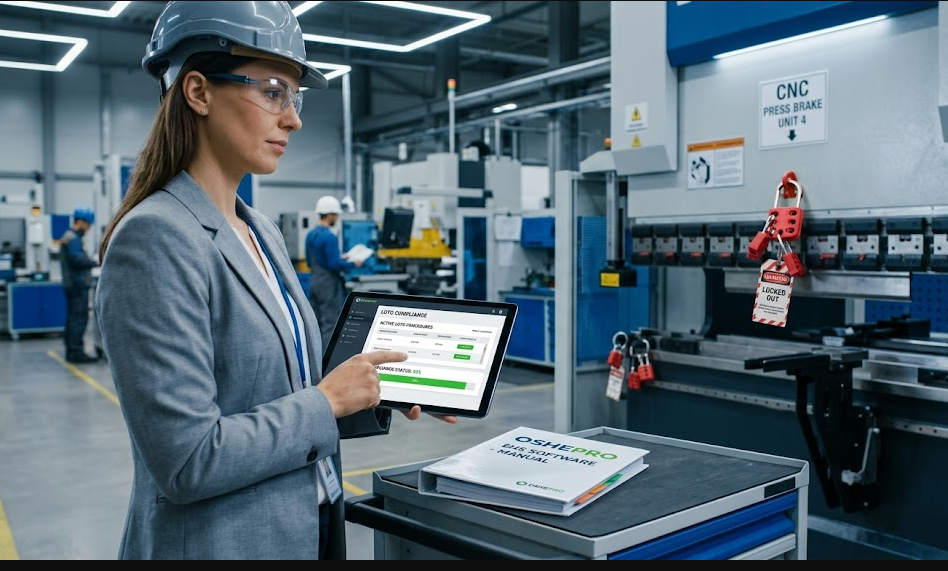

Workplace safety is essential for every organization, especially when employees work with heavy machinery or hazardous equipment, and Lockout Tagout plays a critical role in preventing accidental equipment start-ups that can lead to serious injuries or fatalities while also helping businesses meet safety regulations and maintain a secure working environment that protects both employees and operations.
What Lockout Tagout Really Means
Lockout tagout, commonly known as LOTO, is a safety procedure used to ensure that machines are properly shut down and cannot be restarted while maintenance or repair work is being performed, and this process involves isolating energy sources such as electrical, mechanical, hydraulic, or pneumatic systems to eliminate the risk of unexpected equipment activation that could harm workers.
Why Lockout Tagout Is So Important
The importance of lockout tagout lies in its ability to prevent workplace accidents and protect employees from hazardous energy, as many injuries occur when machines are accidentally turned on during servicing, and by implementing proper LOTO procedures, organizations can significantly reduce these risks while also ensuring compliance with safety regulations and avoiding costly penalties.
Key Steps in a Lockout Tagout Procedure
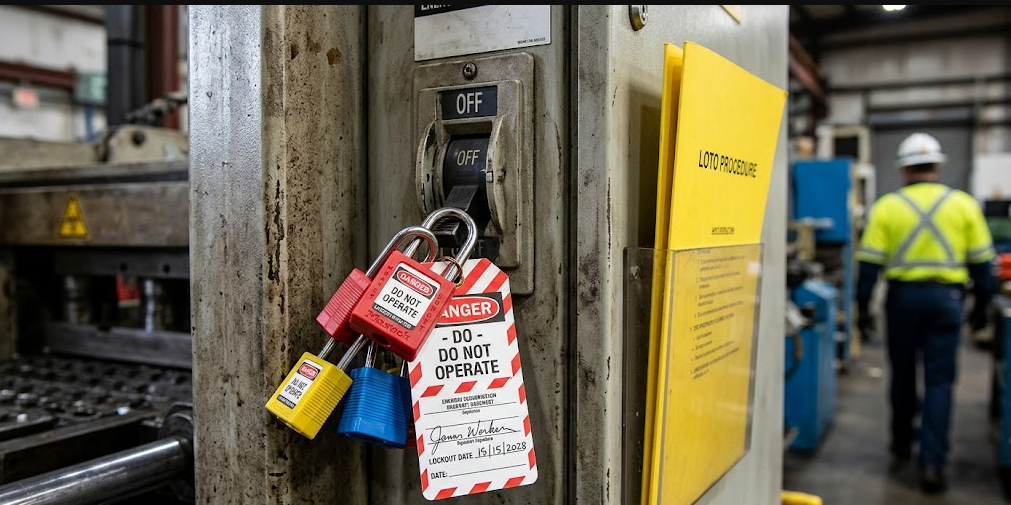
An effective lockout tagout process involves several critical steps that must be followed carefully to ensure safety, including identifying all energy sources connected to the equipment, shutting down the machine using standard procedures, isolating the energy sources, applying lockout devices to prevent reactivation, and verifying that the machine is completely de-energized before starting maintenance work, which helps create a controlled and safe working environment.
Common Challenges in LOTO Implementation
Many organizations face challenges when implementing lockout tagout procedures, such as lack of employee training, inconsistent application of safety protocols, and difficulty in identifying all energy sources, which can lead to incomplete lockout processes and increased risk of accidents, while manual systems and poor documentation can further complicate compliance efforts and reduce overall effectiveness.
How Safety Data Supports LOTO Programs
Safety data plays an important role in improving lockout tagout practices, as proper documentation and access to chemical and equipment information help employees understand potential hazards and take appropriate precautions, and using systems that include SDS information ensures that workers are aware of chemical risks associated with equipment maintenance, which enhances overall safety and preparedness.
The Role of Technology in Improving Safety
Modern workplaces are increasingly adopting digital tools to enhance safety management, and EHS management software provides a centralized platform for managing lockout tagout procedures, tracking compliance, and maintaining accurate records, allowing organizations to streamline processes, reduce errors, and ensure that safety protocols are consistently followed across all operations.
Best Practices for Effective Lockout Tagout
To ensure the success of lockout tagout programs, organizations should provide comprehensive training to employees, develop clear and standardized procedures, conduct regular audits to identify gaps, and ensure that all equipment is properly labeled and maintained, while also encouraging a culture of safety where employees feel responsible for following and improving safety practices.
Consequences of Ignoring Lockout Tagout
Failing to implement proper lockout tagout procedures can result in severe consequences, including workplace injuries, legal penalties, and damage to an organization’s reputation, while also increasing operational risks and potential downtime caused by accidents that could have been prevented with proper safety measures.
How OSHEPRO Enhances Safety Management
OSHEPRO offers advanced EHS management software designed to help organizations manage safety processes more effectively, including lockout tagout procedures, by providing tools for tracking compliance, automating documentation, and analyzing safety data, enabling businesses to improve efficiency, reduce risks, and maintain high safety standards while meeting regulatory requirements.
Building a Strong Safety Culture
Creating a safe workplace requires more than just following procedures; it involves building a culture where safety is a priority for everyone, and by implementing effective lockout tagout programs and using modern tools, organizations can encourage employees to take responsibility for safety, improve communication, and continuously enhance their safety practices for long-term success.
Conclusion
Lockout tagout is a critical safety practice that helps prevent workplace accidents, protect employees, and ensure compliance with safety regulations, and by following proper procedures, providing training, and leveraging modern technology, organizations can create a safer work environment while improving operational efficiency and reducing risks.
Frequently Asked Questions
What is lockout tagout used for?
Lockout tagout is used to ensure that machines are safely shut down and cannot be restarted during maintenance or repair work.
Why is lockout tagout important?
It helps prevent accidental equipment start-ups, reduces workplace injuries, and ensures compliance with safety regulations.
How can businesses improve lockout tagout compliance?
Businesses can improve compliance by training employees, standardizing procedures, conducting regular audits, and using EHS management software to manage safety processes effectively.